
 By
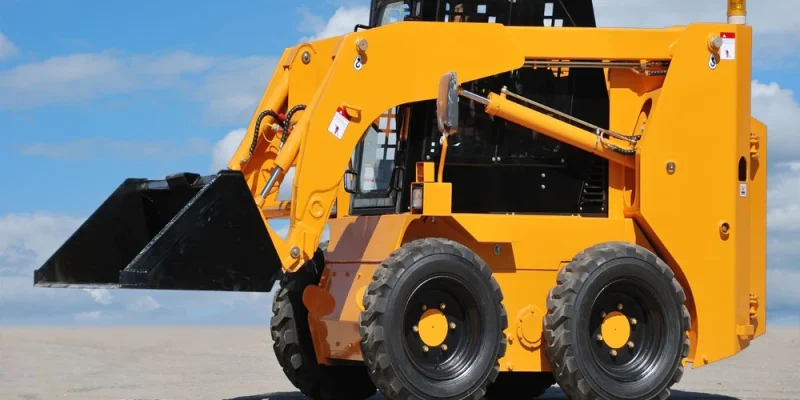
Skid loaders are built to handle demanding jobs in construction, landscaping, agriculture, material handling, and property maintenance. However, continuous operation, heavy loads, abrasive materials, and harsh working conditions gradually wear down certain components. Replacing these parts at the right time helps maintain machine performance, reduce unexpected downtime, and prevent minor issues from developing into expensive repairs.
The most common skid loader parts that need replacement include tires or rubber tracks, bucket cutting edges, hydraulic hoses, engine and hydraulic filters, belts, pins and bushings, drive components, and attachment wear parts. The exact replacement frequency depends on the machine model, operating hours, working conditions, maintenance history, and manufacturer recommendations.
Understanding which parts wear out most frequently helps equipment owners plan maintenance, control operating costs, and keep their skid loaders ready for demanding work.
Key Highlights
- Tires and rubber tracks: Wear from turning, rough terrain, abrasive surfaces, and continuous movement.
- Bucket cutting edges and teeth: Gradually wear down during digging, scraping, and material handling.
- Hydraulic hoses and seals: Can deteriorate because of pressure, heat, abrasion, and repeated movement.
- Engine, fuel, air, and hydraulic filters: Require scheduled replacement to protect critical systems from contaminants.
- Belts, pins, and bushings: Experience wear from friction, vibration, and repeated mechanical movement.
- Drive and undercarriage components: Need regular inspection to identify excessive wear before it affects machine operation.
- Preventive maintenance: Routine inspections and timely replacement help reduce breakdowns and extend equipment service life.
The most frequently replaced skid loader parts are generally those exposed to friction, pressure, contamination, impact, and repetitive movement. The following components deserve particular attention during routine inspections.
1. Skid Loader Tires and Rubber Tracks
Tires and rubber tracks are among the most visible wear components on a skid loader. Their condition directly affects traction, stability, maneuverability, and productivity.
Wheeled skid steers often operate on concrete, gravel, soil, demolition debris, and other surfaces that gradually wear down tires. Because skid steers turn by driving the wheels on each side at different speeds, their tires experience considerable lateral scrubbing.
Compact track loaders use rubber tracks instead of conventional tires. These tracks provide traction and distribute the machine’s weight over a larger ground-contact area, but they can still wear or become damaged under demanding operating conditions.
Common signs that tires or tracks need replacement include:
- Deep cuts, cracks, or missing rubber sections.
- Excessive or uneven tread wear.
- Repeated punctures or sidewall damage.
- Exposed reinforcement material.
- Damaged track lugs or visible track separation.
- Persistent tracking problems or unusual undercarriage wear.
How to extend their service life
Maintain the tire pressure specified by the manufacturer, avoid unnecessary spinning, and select tires or tracks suited to the working surface. Remove packed mud and debris from the undercarriage of tracked machines, and maintain the correct track tension.
Operating on abrasive surfaces, sharp debris, or hard pavement can accelerate wear. Inspect tires and tracks regularly rather than waiting for a loss of traction.
2. Bucket Cutting Edges, Teeth, and Wear Plates
Buckets perform some of the most demanding tasks on a skid loader. Digging into compacted soil, moving gravel, scraping concrete, and handling abrasive materials gradually wear the cutting edge and other contact surfaces.
Depending on the attachment design, a bucket may use a replaceable cutting edge, individual teeth, tooth adapters, side cutters, or wear plates. These components absorb much of the abrasion and impact that would otherwise damage the bucket itself.
Signs that bucket parts need replacement include:
- A cutting edge that has become noticeably thinner or rounded.
- Missing, cracked, or heavily worn bucket teeth.
- Uneven wear across the bucket’s cutting surface.
- Loose or damaged tooth adapters and retaining hardware.
- Excessive wear on the bucket floor or side plates.
A worn cutting edge can make material penetration less efficient and increase stress on the bucket structure. Replacing a bolt-on cutting edge or individual teeth at the appropriate time can help protect the more expensive attachment.
Maintenance tip: Inspect the bucket after demanding jobs, especially when working with rock, concrete, or abrasive materials. Replace worn components according to the attachment manufacturer’s specifications, and check that replacement teeth, adapters, and cutting edges are compatible with the bucket.
3. Hydraulic Hoses, Fittings, and Seals
Hydraulic systems power essential skid loader functions, including lifting the arms, tilting the bucket, and operating hydraulic attachments. Hydraulic hoses carry pressurized fluid between system components, making their condition important for both productivity and safety.
Hoses are exposed to pressure cycles, vibration, heat, bending, and abrasion. Over time, these conditions can damage the hose material, fittings, or sealing surfaces.
Common warning signs include:
- Visible hydraulic fluid leaks.
- Cracked, blistered, or bulging hoses.
- Abrasion marks where hoses contact other components.
- Damaged fittings or deteriorated seals.
- Slower attachment movement or inconsistent hydraulic performance.
A hydraulic leak should never be ignored. Besides reducing performance, leaking fluid can create environmental hazards and increase repair costs if the system loses sufficient fluid or becomes contaminated.
How to maintain hydraulic components
Inspect hoses and fittings for damage, check hydraulic fluid levels, and follow the recommended filter and fluid service intervals. Replace damaged hoses and seals with compatible components that meet the machine’s pressure and application requirements.
Never search for a high-pressure hydraulic leak with your bare hands. Hydraulic fluid escaping under pressure can penetrate the skin and cause a medical emergency. Shut down and depressurize the system according to the manufacturer’s instructions before inspection or repair. Have a qualified technician investigate persistent hydraulic performance problems.
4. Engine Oil, Air, and Fuel Filters
Filters are routine replacement items that help protect the engine and other systems from contaminants. Unlike some mechanical parts, they do not always show obvious external signs of wear before their performance deteriorates.
Skid loaders often operate in dusty construction sites, landscaping environments, agricultural fields, and material-handling facilities. These conditions can place additional demands on air filtration and other service components.
Common filter types include:
- Engine oil filters: Capture contaminants in the engine lubrication system.
- Air filters: Help prevent dust and debris from entering the engine.
- Fuel filters: Remove contaminants and, where applicable, separate water from fuel.
- Hydraulic filters: Help control contamination in the hydraulic system.
A neglected filter can restrict flow or allow contaminants to affect the system it protects. The consequences vary depending on the filter, machine design, and operating conditions.
Maintenance tip: Replace filters at the intervals specified in the machine’s maintenance schedule. Inspect air-filter indicators where fitted, use the correct replacement filter, and avoid running the machine with a missing or improperly installed filter.
Do not rely exclusively on visible dirt to determine whether a filter needs replacement. Follow the manufacturer’s service requirements, including any shorter intervals recommended for severe operating conditions.
5. Drive Belts and Related Components
Drive belts transfer power between rotating components in systems such as the engine accessories or hydrostatic drive, depending on the machine design.
Repeated operation, heat, contamination, improper tension, and misalignment can contribute to belt wear. A worn or damaged belt may affect the operation of the systems it drives.
Look for these warning signs:
- Cracks, fraying, or missing sections.
- Glazing or unusual wear on the belt surface.
- Squealing or other abnormal noises.
- Visible misalignment or incorrect tension.
- Belt slippage or failure of a belt-driven component.
A broken belt can interrupt work and may contribute to overheating or other problems, depending on which components the belt operates.
Maintenance tip: Inspect belts for wear and damage during scheduled servicing. Check tension and alignment according to the manufacturer’s procedure, and investigate the cause of repeated belt failures instead of simply installing another belt.
Use the specified belt type and follow the correct installation procedure to avoid damaging related components.
6. Pins, Bushings, and Loader Arm Components
Pins and bushings connect moving parts throughout the loader’s linkage system. They are commonly found at pivot points on loader arms, cylinders, bucket linkages, and attachment connections.
These components experience repeated movement and substantial loads. Without proper lubrication, dirt and abrasive particles can accelerate wear between the contacting surfaces.
Common signs of pin and bushing wear include:
- Excessive movement or looseness at pivot points.
- Clunking noises during lifting or tilting.
- Visible play in the loader arms or attachment linkage.
- Uneven wear around pivot points.
- Misalignment or reduced precision during operation.
Worn pins and bushings can affect attachment control and place additional stress on surrounding components. If neglected, wear may extend to the mounting bores or linkage structures, increasing the complexity of the repair.
Maintenance tip: Grease designated lubrication points according to the operator’s manual. Inspect pivot points for excessive play, check retainers and hardware, and investigate unusual movement promptly.
The correct replacement dimensions and fit are important. A pin or bushing that does not match the original specification can contribute to further wear or poor alignment.
7. Sprockets, Rollers, Idlers, and Other Undercarriage Parts
Compact track loaders rely on multiple undercarriage components to guide and support the rubber tracks. These may include drive sprockets, rollers, idlers, and related hardware.
Although these parts are not applicable to every wheeled skid steer, they are important wear items on tracked machines.
Undercarriage components operate under repeated loads and are exposed to dirt, mud, gravel, and abrasive materials. Wear in one component can also accelerate wear in related parts.
Signs of undercarriage wear include:
- Worn or damaged sprocket teeth.
- Unusual track movement or alignment problems.
- Excessive roller or idler wear.
- Abnormal noise or vibration while moving.
- Oil leaks from components that use sealed lubrication.
- Repeated track-tension problems.
Maintenance tip: Clean accumulated material from the undercarriage and inspect the tracks, sprockets, rollers, and idlers together. Follow the manufacturer’s inspection and track-tension procedures.
Replacing a worn component before it damages neighboring parts can help control repair costs. When wear is extensive, have the entire undercarriage assessed to determine whether individual replacements or a more comprehensive repair is appropriate.
8. Batteries, Electrical Connections, and Starting Components
Electrical components do not necessarily wear in the same way as tires or cutting edges, but batteries and starting-system parts can require replacement during a skid loader’s service life.
Frequent starts, extreme temperatures, vibration, corrosion, and infrequent use can affect electrical reliability.
Parts that may need attention include batteries, terminals, cables, fuses, relays, and starter components.
Common warning signs include:
- Slow or difficult engine cranking.
- Intermittent starting problems.
- Corroded or loose battery terminals.
- Electrical accessories that operate inconsistently.
- Warning lights or fault codes.
These symptoms do not automatically mean the battery needs replacement. A weak charging system, damaged cable, poor connection, or starter fault can cause similar problems.
Maintenance tip: Inspect battery terminals and cables, keep connections clean and secure, and test the battery and charging system when starting problems occur. Follow the manufacturer’s safety procedures when working with electrical components.
9. Hydraulic Cylinder Seals and Related Components
Hydraulic cylinders convert fluid pressure into the movement needed to raise loader arms, tilt attachments, or operate other machine functions.
Cylinder seals help contain pressurized hydraulic fluid and prevent leakage. Repeated movement, contamination, damaged rod surfaces, and excessive operating temperatures can contribute to seal deterioration.
Signs of possible cylinder problems include:
- Fluid leaking around the cylinder rod or seals.
- Reduced lifting or tilting performance.
- Uneven movement or difficulty holding a load.
- Visible damage or corrosion on the cylinder rod.
- Repeated hydraulic fluid loss.
Not every cylinder performance problem is caused by a failed seal. Internal leakage, control-valve problems, pump issues, or other hydraulic faults may produce similar symptoms.
Maintenance tip: Inspect cylinder rods and external seals regularly. Address leaks promptly and have persistent problems diagnosed before replacing major components. Repairs should follow the correct pressure-release, support, and disassembly procedures.
10. Attachment Couplers, Locking Pins, and Wear Components
Skid loaders frequently use attachments such as buckets, pallet forks, grapples, augers, trenchers, and brush cutters. The quick-attach system allows operators to change tools, but its locking and mounting components must remain in good condition.
Depending on the attachment, replacement parts may include locking pins, bushings, hydraulic couplers, hoses, cutting edges, teeth, and other wear components.
Warning signs include:
- Damaged or worn locking pins.
- Excessive play between the attachment and mounting plate.
- Hydraulic couplings that leak or fail to connect properly.
- Cracked or damaged mounting components.
- Attachment movement that appears loose or uneven.
Maintenance tip: Inspect the attachment interface before operation and confirm that the locking mechanism is fully engaged. Check hydraulic connections for damage and leakage, and maintain attachment-specific wear parts according to their service requirements.
Never operate with an attachment that is not securely locked into place. Replace damaged safety-critical mounting components before returning the machine to service.
How Often Should Skid Loader Parts Be Replaced?
There is no single replacement schedule that applies to every skid loader part. Filters and fluids generally follow scheduled service intervals, while tires, tracks, hoses, cutting edges, and other wear components require replacement according to their condition and the manufacturer’s specifications.
A practical maintenance approach includes the following checks:
| Inspection frequency | What to check |
|---|---|
| Before each shift | Look for fluid leaks, tire or track damage, loose attachment connections, and visible component damage. |
| During routine operation | Monitor unusual noises, vibration, overheating, changes in hydraulic performance, and warning indicators. |
| At scheduled service intervals | Inspect filters, fluids, belts, lubrication points, hoses, pins, bushings, and other components listed in the maintenance schedule. |
| After demanding jobs | Check cutting edges, tires or tracks, undercarriage components, hoses, and attachments for impact or abrasion damage. |
| When a fault appears | Diagnose the cause promptly and replace damaged parts before further operation causes additional damage. |
Always use the operating and maintenance manual for the exact machine model to determine service intervals. Severe dust, high temperatures, heavy loads, and abrasive work may require more frequent inspections or servicing.
What Factors Cause Skid Loader Parts to Wear Out Faster?
Several operating conditions can shorten the service life of skid loader components.
1. Harsh working environments
Rock, demolition debris, abrasive soil, mud, and sharp materials can accelerate tire, track, hose, and attachment wear.
2. Improper operation
Excessive spinning, abrupt turns, overloading, and operating attachments outside their intended limits can place additional stress on mechanical and hydraulic components.
3. Inadequate maintenance
Missed filter changes, insufficient lubrication, incorrect track tension, and neglected fluid checks can contribute to premature component wear or system damage.
4. Incorrect replacement parts
Components with incorrect dimensions, pressure ratings, or mounting specifications may not fit or function as intended. Incorrect parts can also cause additional damage.
5. Delayed repairs
Continuing to operate with a damaged hose, worn cutting edge, loose pivot, or failing undercarriage component can turn a relatively straightforward replacement into a more expensive repair.
Understanding these factors helps equipment owners address the cause of wear instead of repeatedly replacing the same part.
How Can You Reduce Skid Loader Maintenance Costs?
Reducing maintenance costs does not mean delaying necessary repairs or choosing parts solely because they have the lowest purchase price. The goal is to reduce preventable failures while keeping the equipment safe and productive.
Use these practical steps:
- Follow the manufacturer’s maintenance schedule. Track operating hours and record completed service tasks.
- Perform routine visual inspections. Identify leaks, cracks, loose connections, and unusual wear before they lead to breakdowns.
- Keep the machine clean. Remove accumulated dirt and debris from the undercarriage, cooling areas, and attachment interfaces as directed by the manufacturer.
- Lubricate moving components correctly. Maintain designated grease points to reduce friction and premature wear.
- Choose parts based on compatibility. Verify the machine model, serial number, dimensions, and applicable part number before ordering.
- Inspect related components during repairs. When replacing a worn part, check the surrounding components for damage or excessive wear.
- Keep essential replacement parts available. Stocking frequently needed filters, hoses, or attachment wear components can help reduce avoidable downtime when practical.
- Use qualified technicians for complex repairs. Hydraulic, electrical, and drive-system problems may require specialized testing and repair procedures.
A maintenance log can also reveal recurring failures. If a component repeatedly wears out sooner than expected, investigate operating conditions, installation, compatibility, and possible underlying faults.
How Do You Choose the Right Replacement Skid Loader Parts?
Selecting the correct replacement component is essential for reliable operation. Skid loaders from different manufacturers, model years, and configurations may use different components, even when the machines appear similar.
Before ordering replacement parts, verify the following:
- Machine make and model: Confirm the exact equipment identification.
- Serial number: Use it to determine the correct configuration or production range when required.
- Part number: Compare the existing part number with the replacement listing and manufacturer documentation.
- Dimensions and specifications: Check measurements, mounting arrangements, pressure ratings, and other applicable requirements.
- Application requirements: Consider the attachment, material, terrain, and working conditions.
- Supplier information: Review product descriptions, compatibility details, warranty terms, and return policies.
Do not assume that a part will fit simply because it is advertised for a similar machine. When compatibility is uncertain, confirm the specifications with the supplier or a qualified equipment technician before purchasing.
Frequently Asked Questions About Skid Loader Replacement Parts
What parts wear out the fastest on a skid loader?
Tires, rubber tracks, bucket cutting edges, and attachment wear components can wear relatively quickly because they are directly exposed to friction, abrasion, and impact. The actual service life depends on the machine, operating surface, workload, and maintenance practices.
What are the most commonly replaced skid loader parts?
Commonly replaced parts include tires, rubber tracks, cutting edges, bucket teeth, hydraulic hoses, engine and hydraulic filters, belts, pins, bushings, and selected undercarriage components. Batteries and electrical parts may also need replacement as they age or develop faults.
How do I know when skid loader parts need replacement?
Look for visible cracks, leaks, excessive wear, damaged rubber, loose connections, abnormal movement, unusual noises, or declining performance. Compare the condition with the manufacturer’s wear limits and service recommendations. Not every symptom identifies one specific failed component, so diagnosis may be necessary.
Can worn skid loader parts damage other components?
Yes. For example, worn pins and bushings can increase movement at linkage joints, while damaged hydraulic hoses can cause fluid loss and contamination risks. Worn undercarriage components may also accelerate wear in neighboring parts. Timely inspection helps reduce secondary damage.
Should I use OEM or aftermarket skid loader parts?
Both options may be appropriate, depending on the application, part specifications, compatibility, warranty, and budget. OEM parts are supplied for the manufacturer’s equipment, while aftermarket parts are produced by other suppliers. Regardless of the source, verify fitment, quality, and compliance with the machine’s requirements.
How can I find the correct skid loader parts for my machine?
Start with the machine’s make, model, serial number, and existing part number. Check the manufacturer’s parts documentation or a supplier’s compatibility information. If the details do not match clearly, confirm fitment with the supplier before ordering.
Why is preventive maintenance important for skid loaders?
Preventive maintenance helps identify developing problems, protects major systems, reduces unexpected downtime, and makes replacement costs easier to plan. It also helps operators identify recurring wear patterns and correct problems before they cause more extensive damage.
Conclusion
Replacing worn skid loader parts at the right time is essential for maintaining equipment reliability, productivity, and operating efficiency. Tires and tracks, bucket cutting edges, hydraulic hoses, filters, belts, pins and bushings, undercarriage components, and attachment hardware all deserve regular inspection.
Equipment owners can reduce avoidable downtime by following manufacturer maintenance schedules, identifying early warning signs, and confirming part compatibility before ordering replacements. Addressing worn components promptly can also help protect surrounding parts and prevent more extensive repairs.
CR Components supports equipment owners and maintenance professionals looking for replacement parts for construction and compact equipment. When sourcing skid steer and skid loader components, verify the machine’s make, model, and part specifications to ensure the selected parts meet the requirements of your application. With the right replacement parts and a consistent maintenance routine, you can keep your skid loader ready for the demands of the job.





Comments